I've often joked with my clients that REALTORS® should be required to sell their own homes every few years, just to remind us how much work goes into getting a house ready for sale.
It's easy for me to walk through someone's home and suggest a little painting here, some decluttering there, perhaps a few repairs and a good cleaning. But when you're the one doing all that work, while juggling a job, family and everyday life, it's a different story!
Selling your home can be exciting, but I also appreciate that it can be exhausting. And for many people, it's an emotional experience. After all, you're not just selling a house. You're selling a place where you've made memories, raised a family or spent years making it your own.
The good news is that a little planning can make the whole process considerably easier.
First Impressions Really Do Matter
Whether you're selling a character home in Uphill Nelson, a family home in Rosemont or a rural property along the North Shore, the first impression starts before a buyer walks through the front door.
Take a good look at your property from the street. Does the yard look tidy? Is the entrance welcoming? Are the pathways clear and the exterior well maintained?
Here in the Kootenays, we have a few extra challenges. Depending on the season, that might mean cleaning up after a long winter, dealing with fallen leaves or keeping the lawn and gardens looking their best during a hot summer.
You don't need to spend a fortune on landscaping. Often, a little pruning, some fresh mulch and a thorough cleanup make a noticeable difference.
Declutter, But Don't Make Your Home Feel Empty
This is probably one of the most common suggestions I make, and I know it's not always easy.
We all accumulate things over the years. Bookshelves fill up, closets get crowded and garages become storage areas for everything we might need someday.
When buyers walk through a home, we want them to appreciate the space rather than be distracted by what's in it.
That doesn't mean removing every family photograph or making your home look like nobody lives there. A home should still feel comfortable and welcoming.
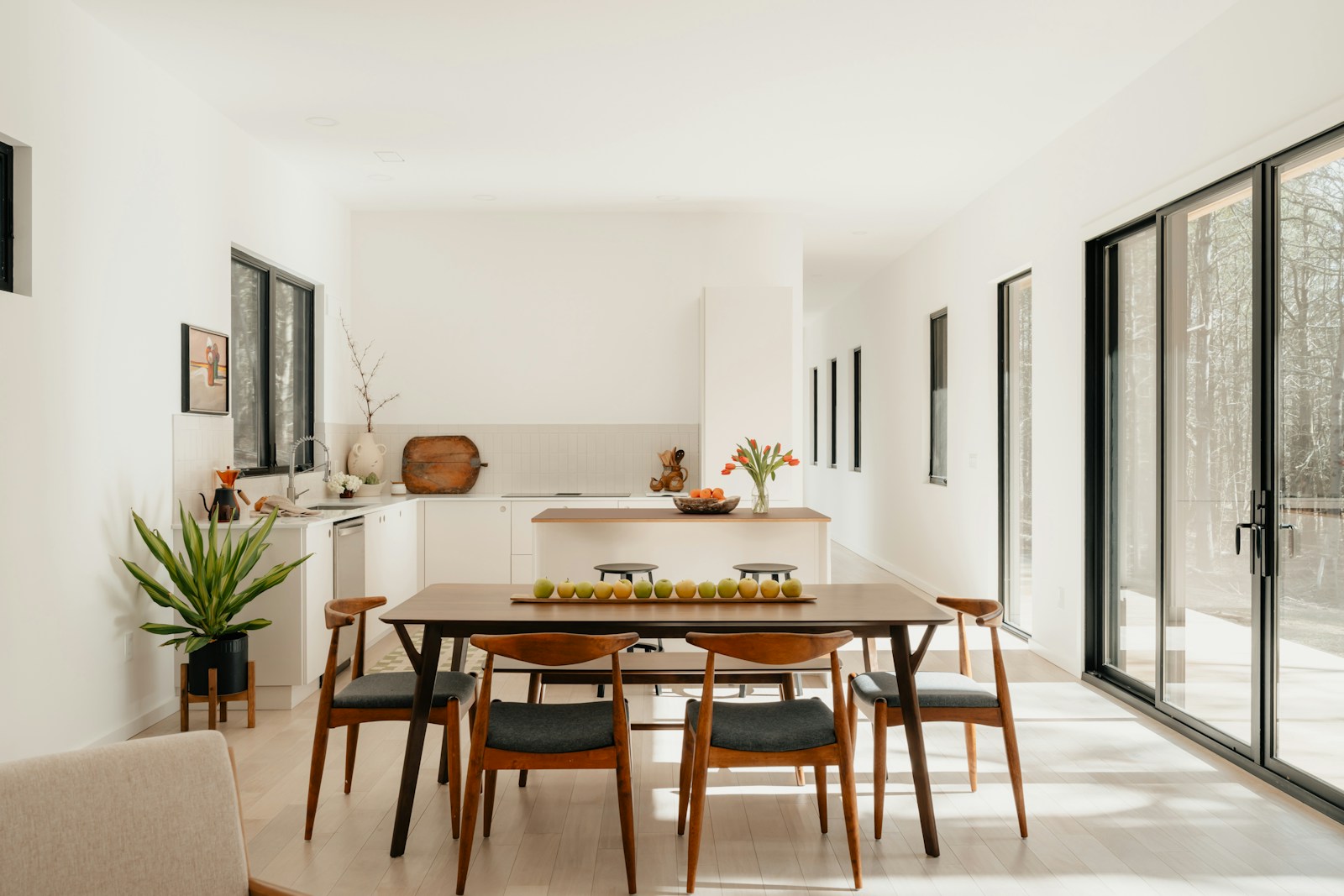
But clearing countertops, organizing closets and putting away things you don't use regularly can make rooms feel more spacious.
And there's a bonus: you're going to have to pack eventually, so why not get a head start?
Take Care of Those Little Repairs
You know that dripping tap you've been meaning to fix? Or the door that sticks when the weather changes?
Now is a good time to deal with them.
Small maintenance issues can leave buyers wondering whether there might be larger problems they haven't noticed.
I'm not suggesting you renovate your kitchen or replace perfectly functional flooring just because you're planning to sell. In fact, major renovations immediately before listing don't always make financial sense.
But addressing obvious maintenance items, touching up paint and making sure everything is clean and functioning properly can help buyers feel more confident about the property.
It's also important to be upfront about known problems. A fresh coat of paint is great for improving appearance, but it should never be used to conceal a defect.
Don't Forget the Things That Make Your Property Special
One of the wonderful things about selling real estate around Nelson is that our properties often have features you simply don't find in larger urban centres.
Maybe it's a beautiful view of Kootenay Lake, a sunny deck, an established garden, a workshop or access to nearby trails.
Those features are part of what makes living here so appealing.
If your home has a spectacular view, make sure the windows are clean and the furniture arrangement allows buyers to appreciate it.
If you have a lovely outdoor entertaining area, set it up so buyers can imagine enjoying a summer evening there.
And if you're selling a rural property, take some time to organize outbuildings, clear pathways and make sure important features such as wells, septic systems and property access can be properly explained.
A buyer considering a rural Kootenay property will often have questions that are quite different from those of someone purchasing a home in town.
Price It Right From the Beginning
All the cleaning, painting and staging in the world won't overcome an asking price that is out of step with the market.
This is where good local market knowledge becomes especially important.
Nelson and the surrounding communities don't have a one-size-fits-all real estate market. Two homes with similar square footage can have very different values depending on location, condition, layout, views, access and a long list of other factors.
I believe strongly in pricing a home appropriately when it first comes to market.
That's when a listing is fresh, buyers are paying attention and your marketing has the greatest opportunity to make an impression.
An overly ambitious asking price can mean missing that initial interest and spending months trying to catch up with the market.
The goal isn't simply to put a sign on the lawn. It's to develop a strategy that gives your property the best opportunity to attract qualified buyers.
Professional Marketing Makes a Difference
Once your home is ready, it's time to show it off.
Good photography, accurate floor plans, video, drone photography where appropriate and virtual tours can all help buyers understand what makes your property special.
This is particularly valuable in our area, where buyers may be coming from other parts of BC, Alberta or elsewhere in Canada.
I want buyers to have a good understanding of a property before they arrange a viewing. That means presenting the home attractively, but also accurately.
Beautiful photographs are important, but so is making sure the home lives up to what buyers have seen online.
And Then There's Keeping It Ready for Showings!
This is the part that often gets overlooked.
Once your home is listed, you're trying to keep everything looking its best while still living your normal life.
Beds made, dishes put away, floors clean, pets organized and sometimes having to leave the house on fairly short notice.
It's not always convenient, especially if you have children, pets or a busy schedule.
I try to be respectful of that and work with sellers to make showings as manageable as possible.
After all, selling your home shouldn't mean putting your entire life on hold.
You Don't Have to Do Everything
Perhaps the most important thing I tell sellers is that not every home needs to be perfect.
Sometimes a property is best marketed exactly as it is, with an asking price that reflects its condition. Other times, a modest investment in preparation can make a meaningful difference.
The trick is knowing where to spend your time and money, and where not to.
That's where experience comes in.
Thinking About Selling? Let's Make a Plan.
After more than 20 years helping people buy and sell real estate in Nelson and the surrounding Kootenays, I understand that preparing a home for sale can feel overwhelming.
My job is to help make it easier.
I'll walk through your home with you, offer practical suggestions, help you decide which improvements are worthwhile and develop a pricing and marketing strategy suited to your property.
And I promise I won't hand you an endless list of projects just for the sake of making one!
Whether you're thinking of selling next month or sometime next year, I'm always happy to have a conversation about what makes sense for your situation.
Give me a call. Let's make a plan that works for you.
Robert Goertz | REALTOR®
Valhalla Path Realty
www.KootenayConnector.com